

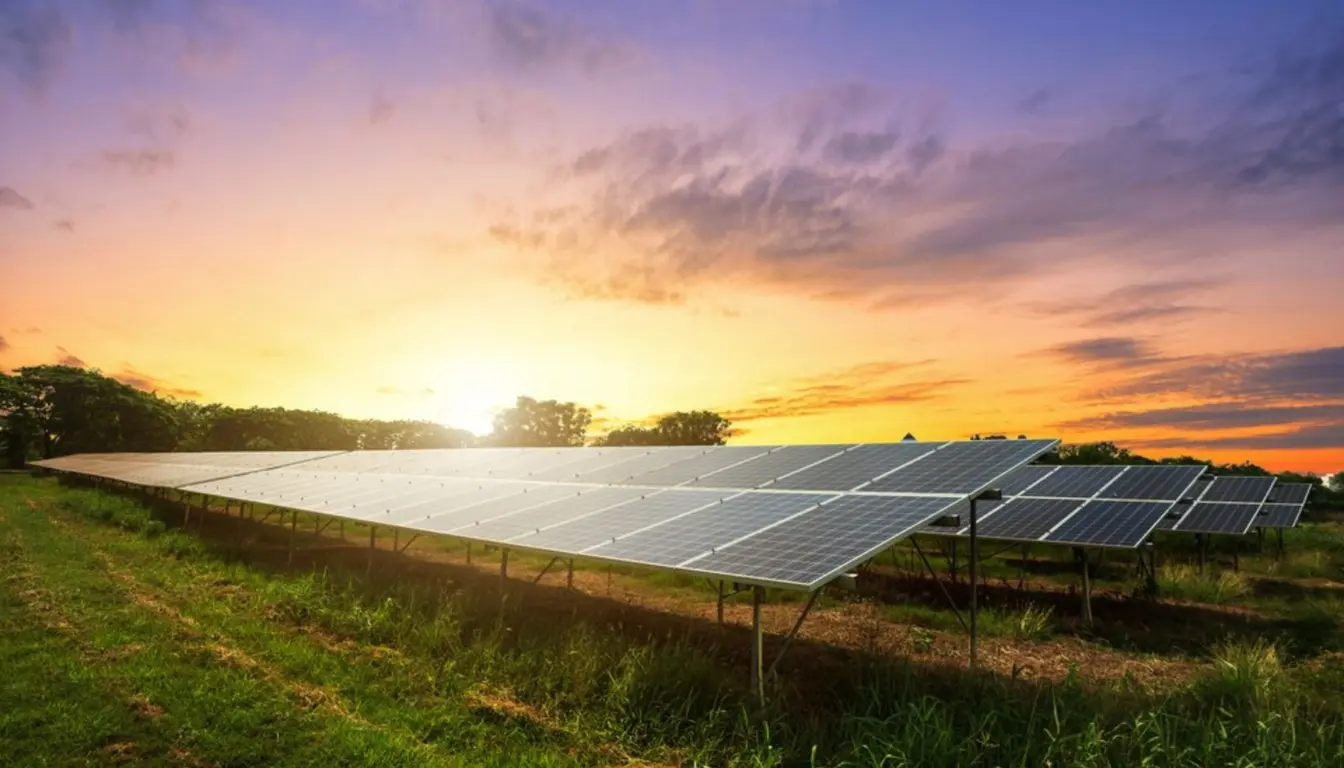
Ground mounted solar projects are key in using renewable energy, mainly in India. India gets a lot of sunlight all year, making these projects vital for green energy. This guide focuses on the importance of ground mounted designs in using solar power. It covers everything from choosing the right site to the financial side.
As we explore India’s solar projects, we’ll see how technology and strategy meet. This leads to a cleaner future.
Key Takeaways
- Ground mounted solar projects are essential for India’s solar energy.
- Choosing the right site boosts solar system performance and efficiency.
- Knowing the balance of system components is vital for success.
- Solar energy offers sustainability and long-term savings.
- Government incentives can fund ground mounted solar projects.
- Keeping solar systems in good shape is key to their long life.
Introduction to Ground Mounted Solar Projects
Ground mounted solar projects use photovoltaic panels supported by engineered structures installed directly into the ground. These systems represent a major step toward large-scale renewable energy adoption across India.
TradePlus Resources, one of India’s trusted solar structure manufacturers and suppliers, offers robust ground-mounted and rooftop mounting solutions designed to deliver high strength, corrosion resistance, and long service life. Their products cater to diverse applications—from residential to commercial and utility-scale projects.
Thanks to modern engineering and innovative materials, these systems now offer higher efficiency and durability. Ground-mounted setups also make maintenance easier, providing long-term performance with minimal downtime.
Benefits of Ground Mounted Solar Systems
Ground-mounted solar systems offer multiple advantages—financial, operational, and environmental. They are a reliable option for individuals and businesses seeking sustainable power generation.
Cost Efficiency and Long-Term Savings
While the initial setup cost may seem high, ground-mounted systems provide significant long-term savings. Reduced maintenance, longer lifespan, and energy cost reductions make them a smart investment.
TradePlus Resources supports clients with optimized design structures that lower installation costs and improve output, ensuring better ROI over time.
Environmental Impact and Sustainability
Adopting solar systems helps cut dependence on fossil fuels and minimizes carbon emissions. Ground-mounted setups utilize open land efficiently and align with India’s environmental sustainability goals.
By installing TradePlus solar structures, users not only achieve energy independence but also contribute to India’s clean energy mission—reducing their carbon footprint and promoting green land utilization.
Site Selection for Ground Mounted Solar Projects
Choosing the right location is crucial for the success of a solar project. A detailed solar exposure and terrain analysis ensures the system captures maximum sunlight and delivers optimum performance.
Assessing Sunlight Exposure
Using tools like solar radiation maps and shadow analysis, developers can identify ideal spots free from obstructions. TradePlus offers technical assistance for structural design and site alignment, ensuring optimal tilt and orientation.
Proximity to Energy Grid
Selecting a site close to the grid reduces transmission losses and installation costs. Knowing local grid regulations allows seamless integration of generated power into the distribution network, improving efficiency.
Soil Testing for Ground Mounted Solar Projects
Soil quality is key for the long life and safety of solar foundations. Testing the soil is important to find any problems that could harm the structure. This helps avoid expensive mistakes and makes the system work better.
Importance of Soil Quality Assessment
Checking the soil quality is essential to see if it can hold up solar installations. Bad soil can cause problems like structural failures or safety risks. Good soil quality means strong foundations that can handle the weather.
Methods for Soil Testing
There are many ways to test the soil. These include:
- Geotechnical surveys to check the soil’s physical and engineering properties.
- Laboratory tests to analyze soil samples for chemical makeup and strength.
- Field tests to look at drainage and how stable the soil is in place.
Each test gives important information. This helps design and set up solar systems on the ground.
| Soil Testing Method | Purpose | Benefits |
|---|---|---|
| Geotechnical Surveys | Evaluate soil properties | Understand load capacity and stability |
| Laboratory Tests | Analyze soil composition | Determine chemical properties affecting performance |
| Field Tests | Assess drainage and stability | Identify site-specific conditions |
Types of Mounting Systems
Choosing the right mounting system affects performance and maintenance. TradePlus offers multiple solutions, including fixed tilt, adjustable, and seasonal tilt ground-mounted structures, made from high-quality galvanized steel and aluminum.
Fixed and Adjustable Mounts
Fixed mounts are easy to install and maintain, offering steady performance throughout the year. Adjustable mounts, however, allow seasonal tilt adjustments to maximize solar exposure.
Tracking Systems: Advantages and Disadvantages
Tracking systems automatically follow the sun’s movement for higher energy yield. However, they involve higher costs and maintenance. TradePlus focuses on cost-efficient fixed and adjustable structures that balance performance and reliability.
BOS Integration with Ground Mounted Solar Projects
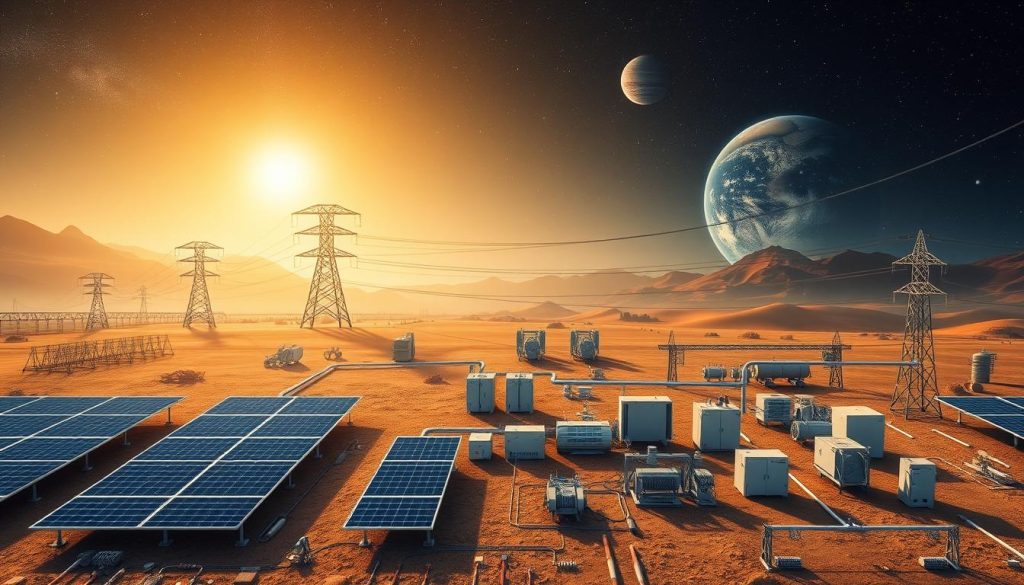
Balance of System (BOS) components—like inverters, wiring, and safety devices—are essential for smooth operation. TradePlus ensures compatibility between mounting structures and BOS components to achieve efficient energy output.
| BOS Component | Function | Impact on Energy Efficiency |
|---|---|---|
| Inverters | Convert DC to AC | High-quality inverters enhance energy conversion |
| Wiring | Conduct electricity | Proper sizing minimizes energy loss |
| Racking | Mount solar panels | Correct positioning optimizes sunlight capture |
| Safety Disconnects | Enable safe shutdown | Improves operational safety |
Understanding Balance of System Components
BOS components are vital for solar installations to work right. They include things like inverters, wiring, mounting hardware, and safety gear. Each part is important for solar panels to work their best. The quality of these parts greatly affects how well the system performs.
Common BOS Components for Ground Mounted Systems
Ground-mounted solar systems have a few main parts:
- DC-to-AC inverters: Change the direct current from solar panels to alternating current, so we can use it in our homes.
- Racking systems: Hold solar panels in place so they get the most sunlight.
- Safety disconnects: Let us quickly turn off the system for maintenance or emergencies.
Knowing how each BOS component works helps us get more energy and stay safe. Using good wiring and inverters can really help a solar system work better.
Ground Mounted Solar Project Design Considerations
Designing a solar project requires balancing performance, safety, and sustainability. TradePlus’s design engineering team ensures every mounting solution meets site-specific and environmental requirements.
Factors to Consider in Design
- Site orientation and tilt angle
- Soil and foundation design
- Accessibility for operations
- Environmental impact mitigation
Compliance with Local Regulations
TradePlus ensures its structure designs comply with MNRE guidelines and local DISCOM requirements, helping clients navigate environmental and legal approvals smoothly.oject layout. Knowing the location well can make the project much more successful.
Permitting for Ground Mounted Solar Projects
Starting ground mounted solar projects in India means going through a detailed permitting process. It’s important to know the rules and get the right approvals. Knowing the steps can make starting a solar project easier.
Navigating the Permitting Process in India
The process for solar projects has key steps. First, you need to know the rules for your site. This includes local laws and environmental rules. Talking to local officials can help you understand what you need.
Important Documentation to Prepare
Having the right documents is key for following the rules. You’ll need:
- Project descriptions outlining the scope and objectives.
- Technical specifications detailing the solar equipment and installation plans.
- Environmental assessments to evaluate possible impacts on the local ecosystem.
- Proof of land ownership, showing the site is legally yours.
Each document is important for getting the permits you need. Without them, you might face delays. So, it’s important to prepare well.
| Documentation | Description | Importance |
|---|---|---|
| Project Description | Details the scope and objectives of the solar project. | Helps authorities understand the project’s intent and scale. |
| Technical Specifications | Outlines the technology and designs to be used. | Ensures compliance with safety and performance standards. |
| Environmental Assessments | Evaluates possible ecological impacts. | Addresses sustainability and environmental concerns. |
| Proof of Land Ownership | Documents legal ownership of the project site. | Verifies legitimacy of land use for solar installations. |
By following these steps, you can make the permitting process easier. This is key for starting a solar project in India. Being well-prepared can help you get the approvals you need faster.
TradePlus Case Study: A Successful Implementation
The TradePlus Resources solar project is a model of effective design and execution in renewable energy. Their mission is to provide durable, cost-efficient, and customizable mounting structures for every terrain and application.
Project Overview and Objectives
TradePlus aimed to deliver sustainable solar infrastructure for both rooftop and ground-mounted projects, supporting India’s renewable goals and creating job opportunities.
Challenges Faced and Solutions Implemented
TradePlus overcame challenges like terrain irregularities and permitting delays through innovative structural engineering and pre-fabricated mounting solutions—ensuring faster installation and long-term reliability.
Financing Options for Ground Mounted Solar Projects
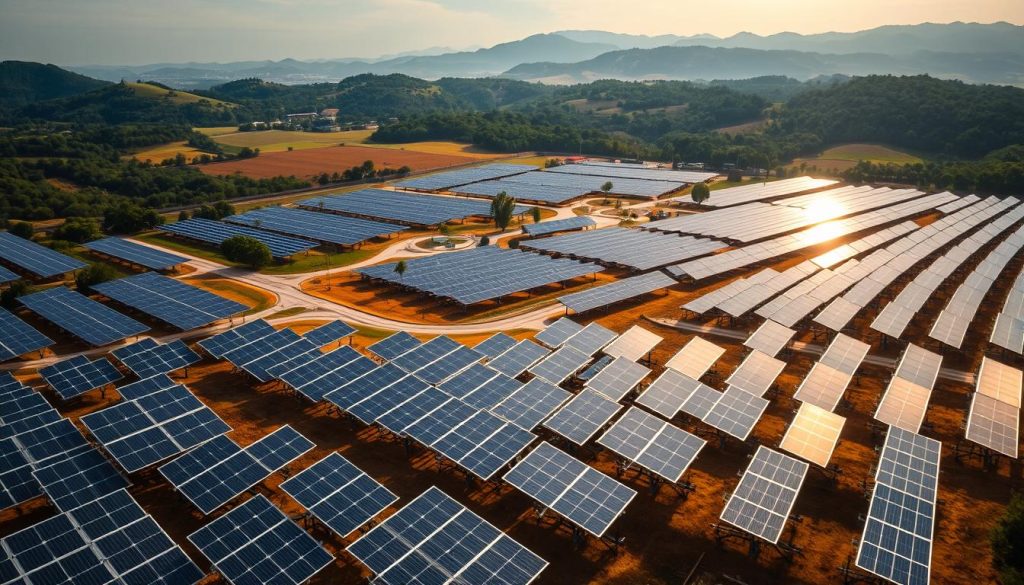
Ground mounted solar projects need a lot of money. Knowing the different ways to finance them is key. This part talks about government help and private funding options for starting and keeping these projects going.
Government Incentives and Subsidies
The Indian government supports solar installations through schemes like the PM Surya Ghar Muft Bijli Yojana. Under this initiative, homeowners can install rooftop and ground-mounted systems at subsidized rates.
TradePlus Resources assists consumers and installers in availing these benefits—offering complete solar solutions including panels, mounting structures, inverters, and installation kits approved under the scheme.
Private Financing and Investment Opportunities
TradePlus also collaborates with EPC partners and investors to support large-scale ground-mounted projects through affordable structure supply, design consultancy, and logistics support.
Maintenance of Ground Mounted Solar Systems
TradePlus designs its solar structures for low maintenance and long lifespan. However, regular inspections ensure safety and optimal performance.
Routine Maintenance Practices
- Clean panels to remove dust.
- Inspect joints, bolts, and corrosion protection coatings.
- Check wiring and grounding regularly.
- Trim vegetation around the installation.
Performance Monitoring Techniques
Using IoT-based performance analytics and inverter monitoring systems helps detect any drop in energy generation early.
| Maintenance Task | Frequency | Benefit |
|---|---|---|
| Panel Cleaning | Monthly | Improves energy yield |
| Visual Inspection | Quarterly | Detects early wear |
| Connection Checks | Biannual | Ensures safety |
| Performance Monitoring | Continuous | Optimizes output |
Conclusion
Ground mounted solar projects are a great way to use renewable energy in India. We talked about picking the right site, testing the soil, and keeping the systems running well. These steps help make solar energy projects work well.
Choosing the right spot and soil is key. Regular upkeep is also important. This way, developers can save money and help the planet.
While there are challenges, the benefits of solar energy are huge. These systems are cost-effective and good for the environment. With good planning, they can help India use more green energy.
The need for renewable energy is growing fast. Ground mounted solar systems are more important than ever. They help keep energy safe and cut down on carbon emissions.
By going green, India is moving towards a better future. These solar projects are a big step towards a cleaner world for everyone.
0 Comments