

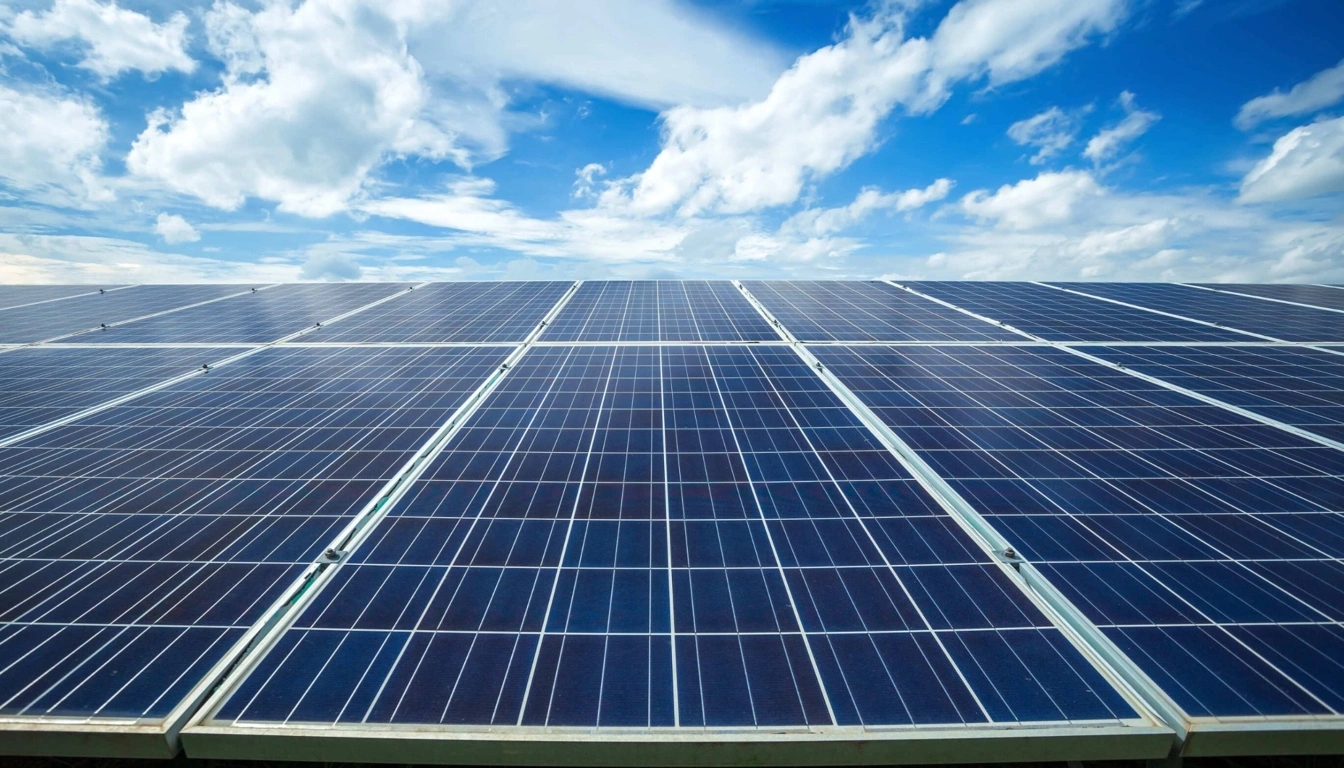
In India’s lively solar energy scene, picking the right mounting structure for solar panels is key. It boosts efficiency and ensures the panels last long. A good solar racking system makes photovoltaic installations work better, fitting local weather and space well.
When choosing a PV mount in India, think about the climate, where you’ll install it, and your budget. The National Renewable Energy Laboratory and the Indian Renewable Energy Development Agency offer valuable insights. Knowing these factors can greatly affect your solar energy investment.
Key Takeaways
- Choosing the right mounting structure enhances solar panel efficiency.
- Local climate conditions significantly impact the choice of solar racking systems.
- Consider available installation space and budget constraints.
- Properly chosen PV mounts in India lead to increased system longevity.
- Expert recommendations can guide effective decision-making.
Understanding the Importance of Mounting Structures
Solar mounting structures form the backbone of every installation — affecting both panel performance and longevity. A robust structure keeps panels securely positioned, optimized at the correct tilt, and protected against wind, rain, and environmental stress.
Good mounting design ensures:
- Maximum sunlight capture throughout the day.
- Strong resistance to corrosion and mechanical stress.
- Longer operational life of the overall solar system.
Poor mounting, on the other hand, can lead to structural failure, reduced energy output, and costly maintenance. Investing in high-quality racking systems, such as those offered by TradePlus, guarantees performance stability for decades.
Types of Mounting Structures for Solar Panels
Different installations demand different mounting systems. Choosing the right one ensures maximum energy generation and ease of maintenance.
Fixed Roof Mounts
Perfect for residential rooftops, these mounts are easy to install and require minimal maintenance. Proper roof load assessment ensures secure installation and correct tilt alignment.
Ground-Mounted Systems
Ideal for large solar projects, ground-mounted systems offer flexibility and scalability. They allow precise orientation for sunlight capture and are best suited for open spaces.
Tilted Mounting Structures
These are adjustable systems designed to capture maximum sunlight at varying angles throughout the year. Especially effective in high rainfall or snow-prone areas, tilted mounts improve drainage and maintain panel efficiency.
Choosing the Right Material for Your Solar Support System
Material selection plays a vital role in determining the efficiency, cost, and lifespan of your solar structure. Two of the most common materials used are steel and aluminium.
Aluminium Mounting Frames
Lightweight yet strong, aluminium frames are corrosion-resistant and easy to handle. Their anti-rust properties make them ideal for long-term outdoor applications. Aluminium also helps reduce logistics and installation costs while offering superior durability.
Steel Mounting Frames
Steel provides excellent strength but is heavier and prone to rust without coating. It’s a preferred choice for utility-scale projects that demand high load-bearing capacity
TradePlus Solar Structure Range
Before diving into budget considerations, it’s essential to explore TradePlus’ specialized solar mounting solutions, engineered for durability, precision, and long-term performance across diverse Indian terrains:
- GI Pre-Galvanized Structures:
Durable and cost-effective, these structures deliver reliable strength and corrosion resistance — ideal for high-load rooftop and ground setups. - Hot Dip Galvanized Structures:
Designed for superior protection, they are immersed in molten zinc for robust coating, ensuring longevity under extreme weather conditions. - Aluminium Rails & Accessories:
Lightweight and precision-built for easy installation. Their anti-corrosive properties ensure long-term stability and performance. - Ground & Rooftop Mounting Solutions:
Engineered for versatility and long-term strength. Perfect for both residential and commercial installations. - Mono Rail & Dual Rail Systems:
Offer flexible mounting options for varying terrain conditions, ensuring secure panel alignment and faster installation.
Steel vs. Aluminium: A Comparative Overview
Steel and aluminium have different strengths and weaknesses for solar use. Steel is strong but heavy and can rust without protection. Aluminium is light and doesn’t rust, making it easier to install.
Aluminium’s benefits often make it the better choice for solar mounts. It’s easier to handle and lasts longer without rusting.
Understanding Wind Load Ratings
Wind load determines how well your structure withstands regional wind speeds. Adhering to standards set by the American Society of Civil Engineers (ASCE) ensures the system’s stability and prevents mechanical stress or panel displacement.
Weight Capacity Considerations
Each structure must safely support the panel load and associated accessories. Ignoring weight capacity may cause safety hazards or structural failure.
| Mounting Structure Type | Wind Load Rating (mph) | Weight Capacity (lbs) |
|---|---|---|
| Fixed Roof Mounts | 90 | 200 |
| Ground-Mounted Systems | 110 | 300 |
| Tilted Mounting Structures | 85 | 250 |
Anti-Corrosion Designs: Longevity and Durability
Adding anti-corrosion designs to solar mounts makes them last longer. Weather can cause corrosion, which harms the mounts. Using materials with protective coatings helps them last longer.
There are a few ways to protect against corrosion:
- Galvanized Steel: Has a zinc layer that keeps moisture out and protects against wear.
- Aluminum Anodization: Adds a thick oxide layer that fights corrosion and keeps the metal light.
- Powder Coating: Gives a color and protects metal from rust.
Choosing durable mounts with anti-corrosion features means your solar panels will work well for years. The quality of materials used is key to a solar system’s long life.
Factors to Consider When Choosing a Mounting Structure
Choosing the right mounting structure for solar panels involves many factors. These factors can greatly affect how well the panels work and the cost. It’s important to think about the local climate, how much space you have, and your budget. Knowing these things helps make sure your solar panels are installed right and work their best.
Local Climate Conditions
The weather in your area is very important when picking a mounting structure. Extreme weather needs strong designs to handle it. Things like how wet or sunny it is can also affect what materials to use. This ensures your solar panels last a long time and work well.
Installation Space Availability
How much space you have is a big deal for solar systems. A good site check can show how much space you have and what’s in the way. Having enough space lets you place panels where they get the most sun, making them work better.
Budget Considerations
Selecting an affordable yet long-lasting solution is key. While steel offers strength, aluminium and galvanized options often provide better lifecycle value due to lower maintenance and faster installation.
| Factor | Details |
|---|---|
| Climate Conditions | Consider temperature, wind, and humidity before selection. |
| Installation Space | Evaluate available area and potential shading issues. |
| Budget Planning | Compare material costs and total installation expenses for optimal ROI. |
The Role of Solar Racking MP in India
Solar Racking MP plays a big role in India’s solar energy scene. It brings in new solar racking ideas that make systems work better. Thanks to tech advancements, we now have special racking systems. These systems help arrange solar panels in the best way possible.
They also make it easier to set up and take care of solar panels. This leads to better performance and easier maintenance.
Innovations in Solar Racking
The solar racking world has seen big changes. Now, we use lighter materials and designs that can be adjusted. This makes it easier to set up solar panels in different places.
These new solutions help solar panels catch more sunlight. This is important in India because it has lots of sunlight. For example:
- Use of modular designs that adapt to various terrains
- Integration of smart technology for automated tracking
- Development of corrosion-resistant materials ensuring longevity
Environmental Benefits of Racking Systems
Using efficient racking systems has many environmental perks. These systems use less land but make more energy. They help meet renewable energy goals and cut down on carbon emissions. The main benefits are:
| Benefit | Description |
|---|---|
| Space Optimization | Efficient layout reduces the physical footprint of solar installations. |
| Increased Energy Generation | Superior angle adjustments maximize solar collection. |
| Reduced Environmental Impact | Less land disruption leads to better ecosystem preservation. |
Installation Process for Mounting Structures
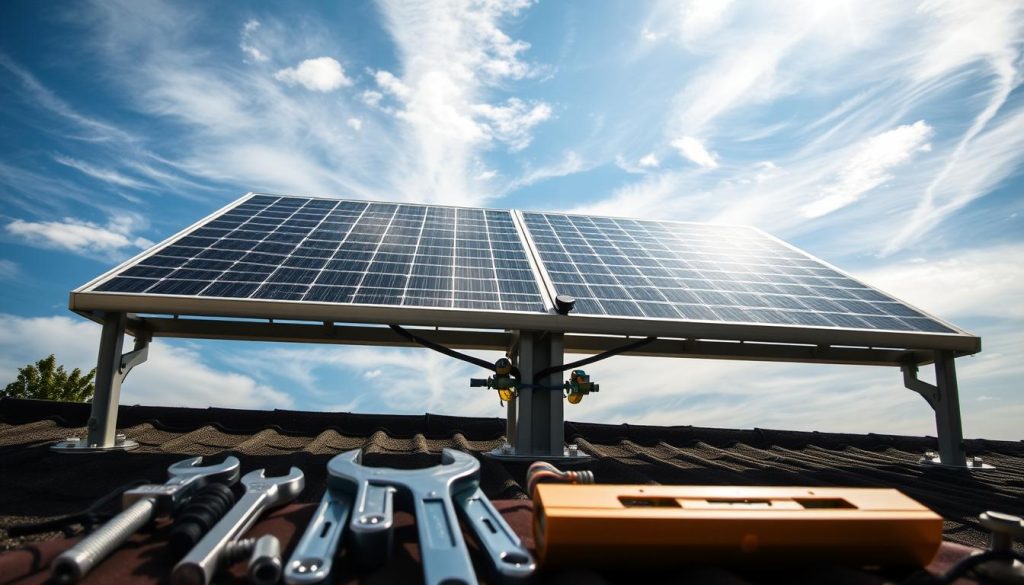
Conduct a site survey before installation to assess terrain and tilt.
Use proper torque settings for bolts and fasteners.
Schedule routine inspections for corrosion, misalignment, or loosened joints.
Clean panels using soft brushes and mild detergent for maximum efficiency.
Maintenance Tips for Your Solar Mounting System
Keeping your solar mounting system in good shape is key to its long life and performance. Regular checks and care are essential for peak performance. The right maintenance tips can greatly benefit you in the long run.
Regular Inspection Guidelines
Regular checks of your solar mounting system are vital. Look closely at these areas during your inspections:
- Check for corrosion on metal surfaces.
- Examine structural integrity, ensuring bolts and screws are tightly secured.
- Look for signs of displacement or misalignment in the mounts.
These checks help spot problems early and keep your system running smoothly. Regular inspections give you peace of mind and help your system last longer.
Cleaning and Care Recommendations
Cleaning is a big part of taking care of your solar mounts. Set up a cleaning routine to keep your panels and mounts clean. Here’s how to clean:
- Use soft brushes or non-abrasive mops to remove grime.
- Wash with water and a mild detergent to avoid damage.
- Don’t clean during the hottest part of the day to avoid thermal shock.
Proper cleaning boosts your solar panels’ performance. Regular maintenance increases energy output and extends your system’s life. This ensures you get the most from your investment.
Regulatory and Compliance Considerations
Following the rules is key for a solar installation project in India to succeed. It’s important to understand the local guidelines. This includes knowing the laws, safety standards, and zoning rules in each area. Knowing these rules helps avoid delays and fines.
Local Regulations Affecting Installation
Local rules play a big role in solar panel setups. They cover safety and environmental issues. It’s vital to follow these rules to meet state and local standards. Here are some important points:
- Following the Bureau of Indian Standards for safety and quality.
- Knowing the zoning laws that affect where you can install.
- Following environmental rules to protect nature.
Permits and Certifications Needed
Getting the right permits and certifications makes the installation easier. Knowing what you need helps manage the project better. Here are some common permits:
- Building permits from local authorities.
- Environmental clearances, if needed.
- Grid connection permits from the utility company.
Understanding certification processes ensures your installation meets legal standards. Working with regulatory agencies early helps the project run smoothly. It reduces risks and ensures you follow the rules.
Case Studies: Successful Solar Installations in India
Solar energy is getting more attention in India. Many successful installations show how different mounting structures work well. We’ll look at both residential and commercial solar projects, focusing on their achievements and success factors.
Residential Installations
Residential solar projects in India show big benefits for homes. Families have cut their energy use a lot. They’ve seen great results, like:
- Up to 70% less in monthly energy bills.
- Over 90% of homeowners are happy with their solar systems.
- More value for their homes with solar panels.
These projects also help local communities. Homeowners not only save money but also support sustainable energy.
Commercial Installations
Commercial solar projects in India show big savings and better efficiency. Large projects use special mounting systems for the best results. Key benefits include:
- Up to 50% less in operating costs.
- Better energy capture with advanced mounting.
- Less carbon footprint for businesses.
Businesses that use solar technology are happy with the results. This encourages others to join the green energy movement.
Conclusion
Choosing the right mounting structure is key for solar energy systems in India. We’ve talked about important factors like material, load ratings, and climate. These affect how well solar panels work and last.
Using new technology and following best practices helps make solar installations strong and long-lasting. The solar industry is growing, making solar energy in India more promising. This could lead to more people using solar power.
Before installing solar panels, think about different factors and keep up with solar tech updates. Homeowners and businesses can lead India’s shift to renewable energy. Together, we can use the sun’s power for a greener future.
0 Comments