

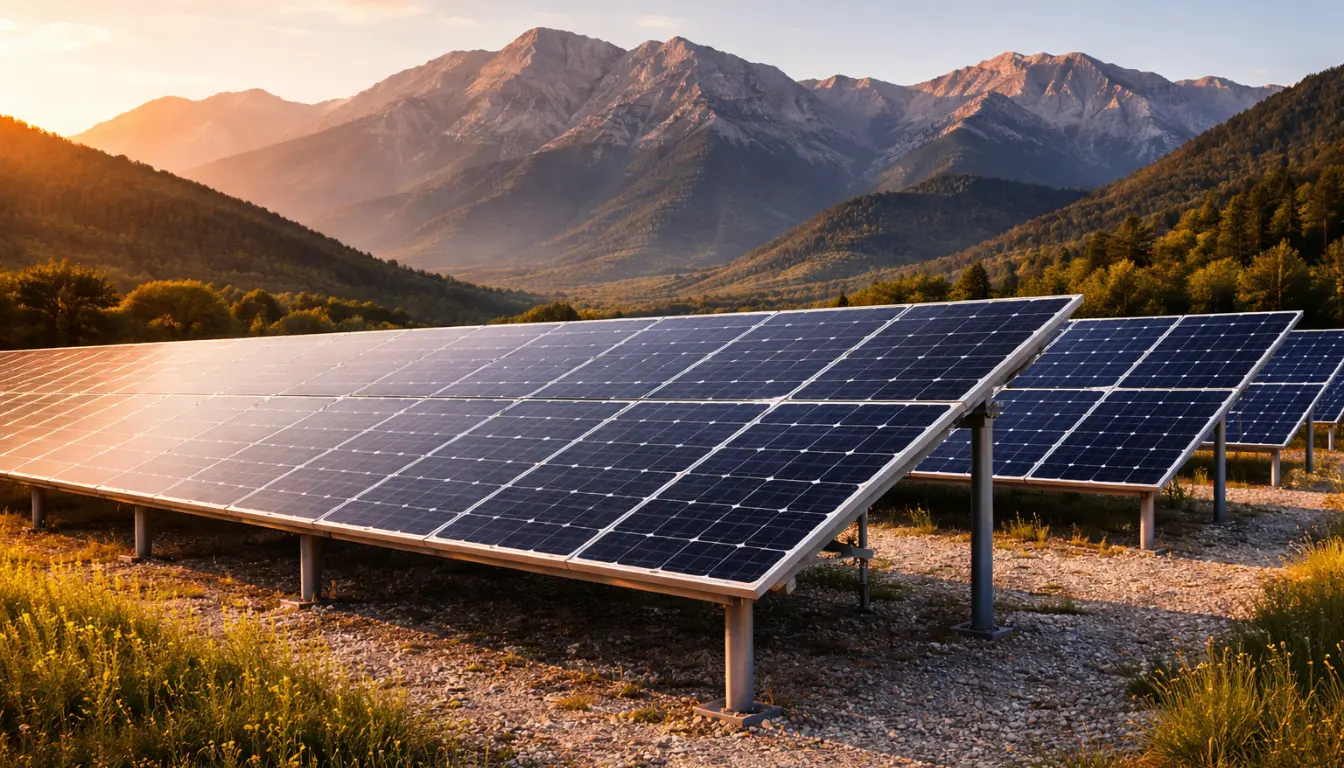
Welcome to our look into ground mounted solar projects. We’ll explore how TradePlus EPC excels in this area. This case study will highlight the key factors that make solar projects successful in India.
As the need for clean energy grows, it’s important to learn from TradePlus EPC. We’ll discuss the benefits and challenges of these projects. This will prepare us for a detailed analysis in the next sections.
Key Takeaways
- Ground mounted solar projects are key in India’s renewable energy scene.
- TradePlus EPC shows how to successfully execute projects.
- Learning about these projects helps us adopt sustainable energy.
- Technical hurdles can be overcome with creative solutions.
- TradePlus EPC’s success stories offer valuable lessons for future projects.
Introduction to Ground Mounted Solar Projects
Ground mounted solar projects are a big step forward in renewable energy. They sit on the ground, unlike rooftop systems. This setup lets them catch more sunlight, making them very efficient.
These systems can grow or change as needed. They’re perfect for big areas where land is available. Plus, they can be built to fit the site’s conditions, boosting their performance.
Keeping them running smoothly is also easier. Technicians can get to parts without the trouble of rooftop systems. This means the systems work better, making more energy.
Building these projects involves solar panels, inverters, and more. Knowing about these parts helps those interested in these systems. It shows how they work well and last a long time.
| Aspect | Ground Mounted Solar Projects | Rooftop Solar Projects |
|---|---|---|
| Efficiency | Higher due to optimal placement | Moderate, limited by roof space |
| Maintenance | Easier and more accessible | Challenging and often hazardous |
| Scalability | High, suitable for large-scale projects | Limited by residential/commercial structures |
| Installation Cost | Variable, depending on land availability | Potentially higher, depending on roof conditions |
Overview of TradePlus EPC
Trade Plus Resources & Solutions Pvt. Ltd. is a trusted solar distributor and renewable energy solutions provider based in Indore.
The company plays a crucial role in solar projects by supplying:
- High-efficiency solar panels (Adani Solar)
- Advanced inverters (Sungrow)
- Electrical components and BOS (Havells)
TradePlus acts as a bridge between manufacturers and EPC companies, ensuring:
- Timely product availability
- Genuine and high-quality components
- Technical guidance and after-sales support
Their strong logistics network ensures smooth delivery across multiple regions.
Importance of Utility Solar Projects in India
India’s energy needs are growing fast. Utility solar projects are key to meeting this demand. They help secure the country’s energy and support its green goals.
Government policies and incentives make it easier to start these projects. This has led to more solar energy being used. People are seeing the benefits, like cheaper electricity and less pollution.
These projects also have big social and economic benefits. They create jobs and boost local economies. They help communities get reliable, clean energy, leading to a greener future.
Ground Mounted Solar Project: A Detailed Case Study
This case study looks at a ground mounted solar project by TradePlus EPC. It has a big capacity, over 1 MW. The goal was to cut down on carbon emissions and boost renewable energy for the local grid.
The project aimed to do more than just make energy. It wanted to set a good example for other projects in the future.
Project Background and Objectives
The project started because of growing energy needs and the need for green solutions. It’s big, over 1 MW, to give steady power and help the planet. It also wants to make the local area more independent and create jobs.
Site Selection and Preparation
Finding the right spot was key for the project’s success. Important things to consider were:
- Enough land that met the project’s needs.
- How much sunlight the area gets to make the most energy.
- How it would affect the environment to keep it safe.
Before starting, a lot of work was done. This included checking the site’s layout and soil to make sure it could handle the solar setup. Good site choice and prep work meet the project’s goals and set a high standard for future projects.
Engineering and Design of the Solar Plant
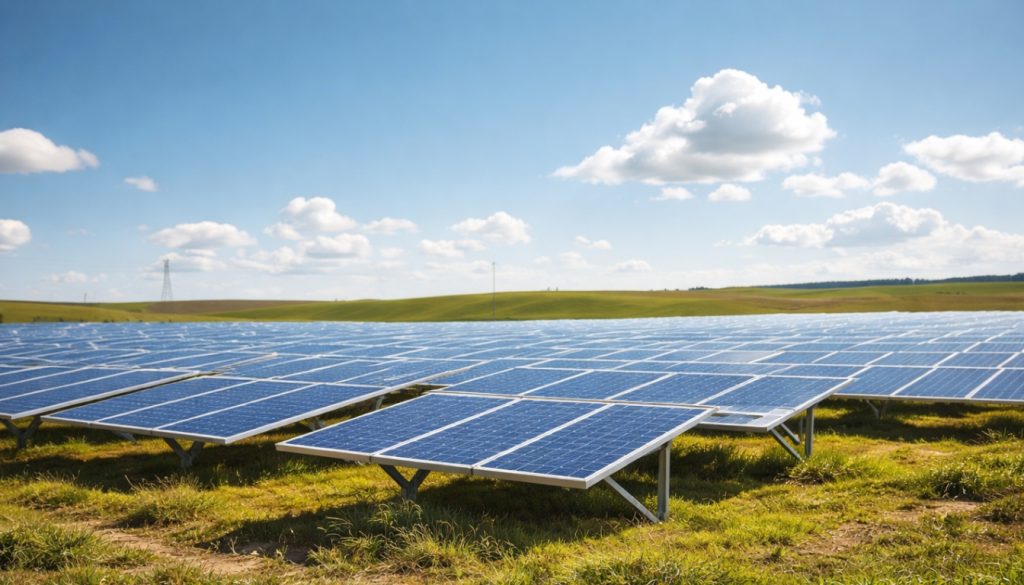
The engineering and design of a solar plant are key to making it efficient. Important factors include how panels are laid out and the solar array arrangement. The goal is to make sure panels get as much sunlight as possible to capture energy well.
Several things influence the design of a solar plant. These include:
- Geographic location and climate conditions
- Shading analysis from surrounding structures and vegetation
- Optimal tilt angles for solar panels
- Spacing between rows to avoid energy loss
The project uses the latest solar technology to boost performance. High-efficiency solar panels and reliable inverters are chosen. These help in transmitting energy well and keeping the system running smoothly.
Monitoring systems are vital for keeping an eye on energy production and efficiency. They track performance data, allowing for quick maintenance. This helps the solar plant last longer. It shows a dedication to sustainable energy.
| Technology Component | Specifications | Purpose |
|---|---|---|
| Solar Panels | Monocrystalline, 400 W | Maximize energy capture |
| Inverters | String inverter, 100 kW | Convert DC to AC electricity |
| Monitoring System | Real-time data logging | Performance tracking and maintenance alerts |
Execution Challenges and Solutions
TradePlus EPC faced many challenges in ground mounted solar projects. They had to deal with big issues like moving large panels and heavy equipment to hard-to-reach places in India. They found creative ways to manage these problems, keeping quality high and meeting deadlines.
They worked with local logistics companies to make transport smoother. This cut down on delays and made the whole process more efficient.
Weather was another big problem. Rain and extreme heat could stop work and mess up plans. TradePlus EPC was ready for this, adjusting their schedules based on weather forecasts.
This way, they kept work going and made sure everyone was safe. It was a smart move to handle the weather challenges.
Following rules was also tough. There were many environmental laws to follow and permits to get. But TradePlus EPC worked closely with local authorities to get things done fast.
They talked openly with officials to understand what was needed. This helped them avoid delays and showed they cared about the community and the environment.
0 Comments