

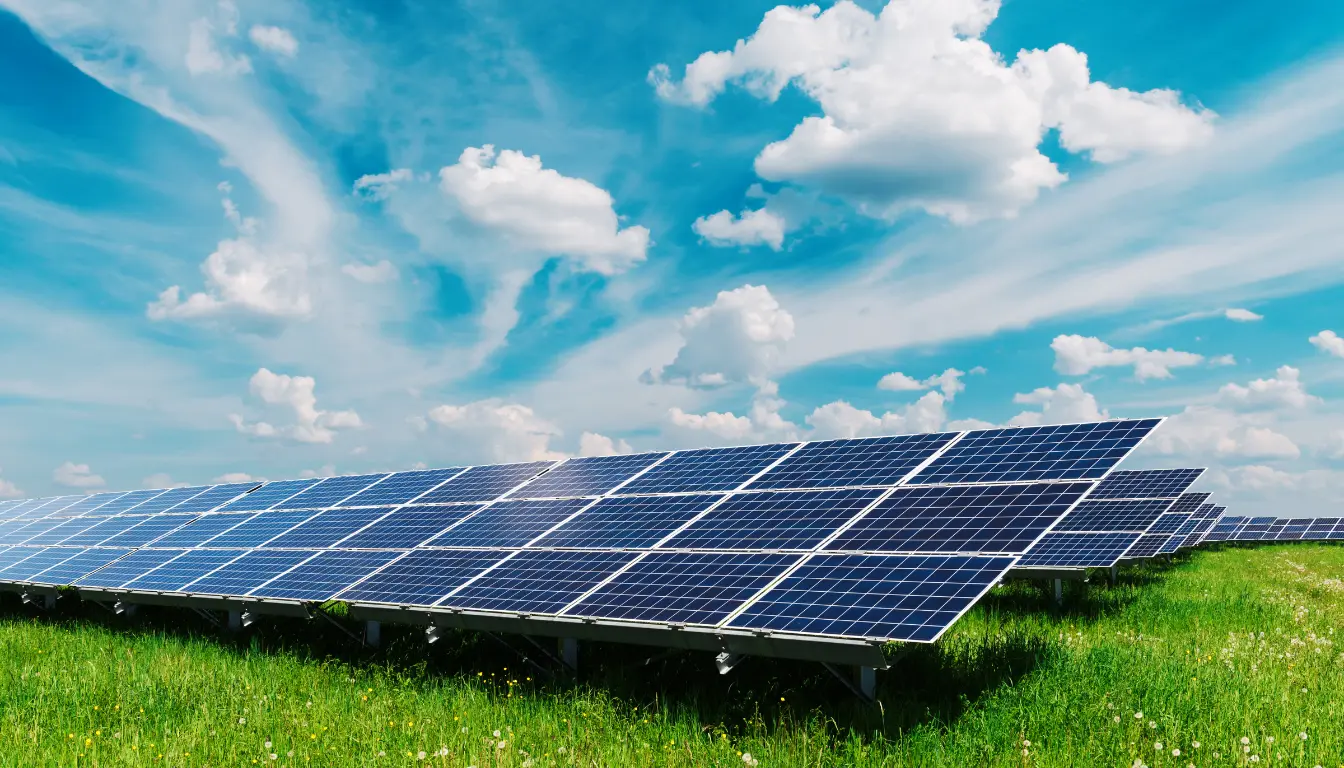
In India, industries are becoming more aware of sustainability and the need to reduce operational costs. As energy needs continue to grow, companies are comparing ground mounted solar projects and rooftop solar systems to find the best fit. Both solutions help industries manage energy more efficiently and reduce electricity expenses.
Ground mounted solar projects require open land areas, offering large-scale installation potential. Rooftop solar utilizes the building’s existing structure without taking up extra land. This guide compares efficiency, space requirements, O&M costs, ROI, and environmental impact—helping industries make informed decisions.
Tradeplus, a leading solar solutions provider and authorised Adani Solar dealer, supports industries with end-to-end services including site assessment, EPC installation, BOS components, and long-term O&M support. Their expertise ensures smooth implementation of both ground mounted and rooftop projects.
Key Takeaways
- Ground mounted systems offer larger installation capacities.
- Rooftop solar utilizes existing building structures to minimize land use.
- Both systems contribute to significant operational cost savings.
- Understanding the ROI is key in picking the right solar solution.
- Environmental benefits apply to both ground mounted and rooftop solar setups.
Understanding Solar Energy for Industries
Solar energy is transforming India’s industrial sector by lowering electricity costs and supporting climate goals. With increasing energy consumption across manufacturing, logistics, textiles, agriculture, and processing industries, solar has become a practical alternative.
The Indian government continues to promote industrial solar adoption through:
- Policy support
- Subsidy structures (for eligible categories)
- Renewable purchase obligations
- Grid-friendly mechanisms
Solar adoption also improves the brand reputation of industries seeking sustainability.
Many businesses are progressing toward India’s long-term renewable goal of 1,000+ GW capacity. Solar is financially appealing due to falling panel prices, improved BOS components, and faster payback periods.
What is Ground Mounted Solar?
Ground mounted solar systems are a key part of solar energy. They are set up on large areas of land. This makes them perfect for big solar panel setups.
Unlike rooftop systems, ground mounted solar systems are very flexible. They can use different types of solar panels. This depends on the site’s needs and features.
Definition and Functionality
Ground mounted solar systems have photovoltaic panels on the ground. They come in various designs. This includes fixed, single-axis, and dual-axis systems.
These designs help capture more energy. They work well in many environments. This makes renewable energy more effective.
Users can place and orient these systems to get the most sunlight. This increases energy production.
Benefits of Ground Mounted Solar Systems
Ground mounted solar systems have many benefits. They produce more energy than rooftop systems because they get more sunlight. This is because they are not blocked by buildings or trees.
Land used for solar can also be used for farming. This makes the most of the space. Installation and upkeep are easier because these systems are on the ground.
They can also be part of big renewable energy projects. This helps reduce our need for fossil fuels.
What is Rooftop Solar?
Rooftop solar technology is becoming more popular, mainly in urban areas with little space. It involves putting solar panels on rooftops. This way, businesses can use clean energy and save space.
These installations connect directly to the energy grid. This lets businesses make their own electricity. It also helps them use less traditional power.
Overview of Rooftop Solar Technology
There are different types of rooftop solar systems. Some connect to the local energy network, known as grid-tied systems. These systems let businesses send extra power back to the grid. This is thanks to net metering policies.
Off-grid systems, on the other hand, work on their own. They’re great for places where power is hard to get or where businesses want to be independent.
Some key features of rooftop energy solutions include:
- Integration into existing building structures without compromising aesthetics
- Scalability to accommodate growing energy demands
- Low maintenance requirements compared to ground-mounted systems
Rooftop solar technology for industries offers many benefits. It helps move towards sustainable energy in cities. As it becomes more common, industries will save money and help the environment.
Ground Mounted Solar Project: Key Advantages
Ground mounted solar systems offer big benefits for companies wanting to improve their energy use. They help use land well, letting businesses get the most from the sun. This is key for those looking to save on energy costs.
Space Utilization Optimally Managed
Using land wisely is key to getting the most from solar energy. Ground mounted systems can go on land that’s not used well before. This not only saves space but also helps the environment.
Many companies are now using their land for both solar farms and farming. This helps local economies and keeps farming productive. It’s a win-win for everyone.
Potential for Higher Energy Output
Ground mounted solar systems can make more energy than rooftop ones. They can be placed in the best spot to catch sunlight all day. This means more energy for businesses, which saves money and helps the planet.
Rooftop Solar: Major Benefits
Rooftop solar installations are gaining popularity, thanks to their many advantages. They are perfect for urban areas where space is limited. These systems make the most of existing infrastructure, without needing extra land.
Lower Land Requirement
One big plus of rooftop solar is how little land it needs. This is key for businesses in crowded cities. Rooftop systems use the roof space, saving land compared to ground systems.
Facilities can add solar energy without losing ground space. This keeps valuable land free for other uses.
Quick Installation Time
Installing rooftop solar is faster than ground systems. Contractors can start work right away, thanks to easy roof access. This quick start means businesses can use green energy sooner.
It also makes operations more efficient and cuts down on traditional power use.
Efficiency Comparison Between Ground Mounted and Rooftop Solar
The efficiency of solar energy systems is key to their success. Ground-mounted and rooftop solar setups have their own strengths and weaknesses. Each type can perform differently based on the environment.
Ground-mounted systems often get more sunlight because they can be placed better. They also have room for more panels. This means they can collect more energy than rooftop systems.
Rooftop solar, though, can work well in cities. It uses space smartly and fits with buildings. This makes it a good choice for urban areas.
| Performance Metrics | Ground Mounted Solar | Rooftop Solar |
|---|---|---|
| Energy Conversion Rate | 18-22% | 15-20% |
| Capacity Factor | 0.15-0.20 | 0.10-0.15 |
| Typical Energy Output (kWh/kW/year) | 1,500-1,800 | 1,200-1,500 |
Businesses can make better choices by understanding these differences. Knowing how ground and rooftop solar systems work helps meet energy needs and goals.
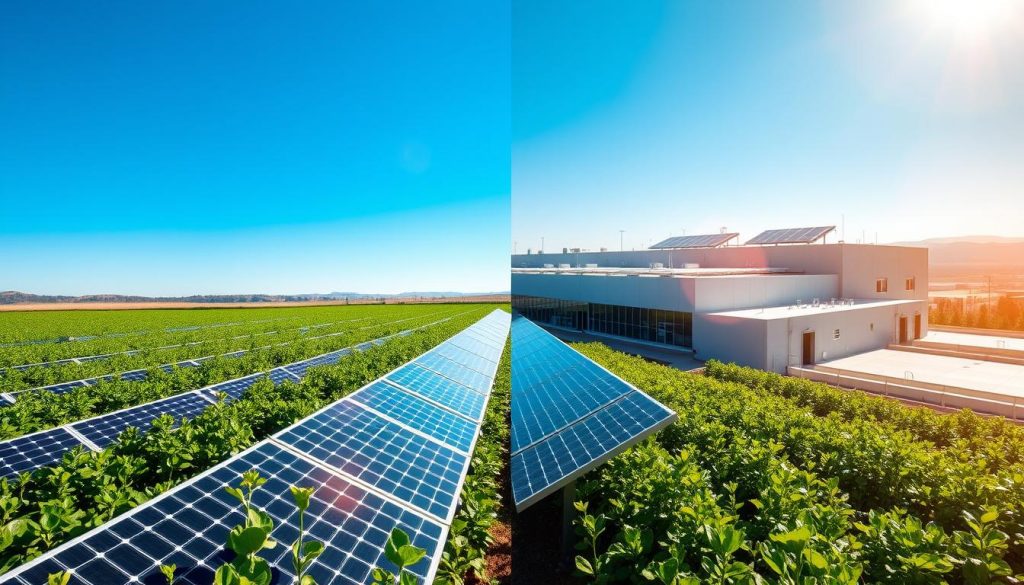
O&M Costs of Ground Mounted vs Rooftop Solar
Choosing between ground mounted and rooftop solar systems affects maintenance costs. It’s key for businesses to understand these costs to get the most from solar energy. Each system has its own maintenance needs, which affect long-term savings.
Maintenance Considerations for Each System
Ground mounted systems are easier to reach than rooftop ones, leading to better maintenance. Regular checks are essential for optimal performance. Ground systems need less cleaning and inspections due to easier environmental management.
Rooftop systems, being higher up, require more safety during maintenance. This can make maintenance more complex and costly.
Long-Term Savings on Operational Costs
Looking at long-term savings shows big differences in O&M costs. Rooftop systems might start cheaper but need more maintenance visits over time. Ground mounted systems cost more upfront but save on maintenance and visits.
Businesses need to consider these costs to find the best solar option for them.
Industrial ROI Case for Ground Mounted and Rooftop Solar
The return on investment (ROI) for solar projects is key for industries looking at renewable energy. Ground-mounted and rooftop solar systems have their own benefits and challenges. Knowing how to calculate ROI helps understand if each option is financially sound.
Analyzing Return on Investment
Several factors affect industrial ROI. The costs of installation, upkeep, and how well the system works are important. These include:
- Initial Investment: Costs for equipment, installation, and permits.
- Energy Savings: Lower energy bills can greatly improve cash flow.
- Payback Period: How long it takes for the project to pay off itself.
- Incentives: Government help and tax breaks that reduce costs.
Comparative Case Studies in India
Indian industries have shown the value of solar energy through case studies. Both ground-mounted and rooftop systems have proven to be profitable. For instance, a big manufacturing plant with a ground-mounted system paid off in under five years thanks to energy savings and government help.
On the other hand, a logistics company with rooftop solar also saw big savings. This shows how different factors like location and energy use impact ROI.
Environmental Impact: Ground Mounted vs Rooftop Solar
Ground mounted and rooftop solar systems are key to a sustainable future. Each has big environmental pluses. Ground mounted systems need more land, which can affect local ecosystems. But, they can also work with farms, keeping nature diverse.
Rooftop solar uses buildings, saving space in cities. It cuts down a building’s carbon output. This shows how rooftop solar is good for the planet. It helps buildings use less fossil fuel, making energy cleaner.
Solar panels are made with green materials now. This makes them better for the environment. Both types of solar systems can use these eco-friendly panels, helping energy become more sustainable.
In short, both solar options are good for the planet but in different ways. Knowing these differences helps India’s industries choose wisely. This choice supports a greener, more sustainable future.
Regulatory Implications for Each Solar Solution
Understanding solar regulations in India is key for businesses. They need to know about solar rules and follow them. This is important for both ground-mounted and rooftop solar setups.
Ground-mounted solar setups face different rules than rooftop ones. They often need more permits because of their size and environmental impact. This can be complex and varies by location.
Rooftop solar systems, on the other hand, have simpler rules. This helps them get approved faster. The goal is to make it easier for homes and businesses to go solar.
Both systems offer financial benefits. There are tax breaks, subsidies, and special loans to help. Knowing about these can make solar energy more appealing financially.
Future Trends in Industrial Solar Energy
Industries can expect:
- Advanced BOS components (inverters, cables, protection devices)
- Energy storage integration
- Smart grid connectivity
- AI-powered solar monitoring
- Lower panel prices
- Faster installation technologies
Tradeplus, through its high-quality BOS components (cables, DCDB/ACDB, SPD, earthing, mounting structures, connectors), delivers complete and reliable industrial solar solutions.
Conclusion
Ground mounted vs rooftop solar solutions have their own pros and cons for Indian industries. Ground mounted systems use space well and can produce more energy. They’re great for companies with lots of land.
Rooftop solar systems are perfect for places with little space. They’re easy to set up and maintain. This makes them ideal for those with limited room.
This comparison shows the need for a fresh look at energy plans. Businesses should choose solar options that fit their needs and goals. This careful selection is key to a sustainable future.
Choosing between ground mounted or rooftop solar is important. Both help move towards cleaner energy and better efficiency. Indian industries can make smart choices for a greener future.
0 Comments